
14 December 2018
A Richmond Reflection From Bruce Hobbs Travelling Scholarship Winner Rachel Lund
Society Member Rachel Lund, who graduated with a BSc (Hons) in Sports Therapy from the University of Worcestershire, was the winner of The Society of Sports Therapists Bruce Hobbs Travelling Scholarship to Virginia Commonwealth University (VCU) in Richmond, Virginia, USA. Rachel, who is now Academy Sports Therapist at Hartpury University, spent ten days at the Sports Medicine Clinic at VCU, spending time with a variety of Sports Medicine specialists. She was hosted by Liz Trinchere Brown and Bob Izzo, both Physiotherapists at VCU’s Sports Medicine Clinic. Rachel was also able to spend time shadowing leading Orthopaedic surgeon Dr Thomas Loughran, Medical Director of the Clinic.
Now back in the UK, we spoke to Rachel to find out more about her trip. Here’s what she had to say:
How did you feel when you were told you had been selected?
Funnily enough I picked the email up whilst recovering from general anaesthetic after shoulder surgery this summer, so it really helped lift my spirits! I was so excited by the opportunity to immerse myself in a different sports medicine department for 10 days, and couldn’t believe I had actually been selected.
Did you have to do any preparation prior to leaving?
I spent time researching VCU and their status and sporting profile as a university. I thought it was important to understand the environment I was entering and this really helped me get up to speed when I arrived. I also spent time researching the roles of Athletic Trainers and Physical Therapists so I understood their multi-disciplinary approach.
What were your first impressions of VCU? How did it compare to Hartpury?
I was greeted at the airport by George Borden and Bob Izzo who very kindly collected me and helped me settle into Richmond; their warm welcome was much appreciated after a very long flight!
VCU has a fantastic set of facilities and a variety of equipment to complement the work of the trainers and therapists. I was most impressed that an athlete was able to walk from an X-Ray following an Orthopaedic consultation, into an Athletic Training room where they could use a Game Ready (intermittent compressions and circumferential cold therapy system), and then into the adjacent room to be clinically reviewed by their Physical Therapist and Athletic Trainer together. For me, this really embodied the multi-disciplinary team approach and really reduced the athletes’ stress of having to retain medical information and co-ordinate their own medical care between the disciplines.
At Hartpury, we are very fortunate to have all of our elite sports academies supported by full-time therapists, Strength & Conditioning coaches, as well as having a Sports Club Doctor based at Hartpury two days a week. However, naturally within the UK, the challenge of having the NHS and private medical services means that the alignment and co-ordination between disciplines is perhaps less seamless.
You were based in the VCU Sports Medicine Clinic – can you set the scene for us? What was the Clinic like? Was the Clinic mainly for students or for the public too?
The whole department is based on the ground floor of a University building; the Athletic Training room, Physical Therapy room and the Sports Medicine Orthopaedic Clinic are completely interlinked. The Physical Therapy room was at the heart of the department, which was a large open space with treatment beds contained within a gym space. The Clinic had a real mix of ages and sports, but it also had a blend of athletes and the general public being treated, which made a great dynamic within the Clinic.
How did you spend your time there?
I spent time within the various departments of Sports Medicine, and with a variety of practitioners. Initially, I spent time observing Physical Therapist Bob Izzo, who primarily worked with clients who were recovering from surgery or long term injuries. Within the Athletic Training room, I predominantly spent time with Athletic Therapist Ray Kim, who looks after the Women’s Soccer team. That provided a great insight to the inner workings of a therapist’s role within a sports team.
Did you learn anything that you will take away and use at Hartpury?
Bob Izzo had a very methodical approach to assessing and treating back pain. Although I didn’t necessarily see a new form of practice, I picked up a particular skill from observing his assessment method that I can bring back to Hartpury.
A more global learning point is looking at the way we send athletes into referral pathways with the minimum possible number of stressors, which will be something I will try to take into my practice. Naturally we can’t achieve the same practice as our counterparts in America due to our National Health Service/private medical care, but I will now be more aware of taking some of the responsibility of Orthopaedic consultations away from my athletes, to help reduce their stress.
I was also lucky enough that my trip to VCU coincided with the Sports Psychology Mental Health Awareness week. I am passionate about the psychology of injury and working with student athletes. I am currently implementing a programme within the U18 Women’s Rugby Academy at Hartpury, which aims to develop coping resources and strategies to help student athletes cope better within their environment. After spending some time in Sports Psychologist Dr Dana Blackmer’s workshops, I have got some new ideas that I am hoping to share with my athletes at Hartpury College.
Did you have a chance to do any sightseeing or watch any matches?
I was lucky enough to be able watch a variety of games: men’s and women’s Soccer, high school American Football and Volleyball. Thankfully I was able to see some of the sights of Richmond with the Athletic Trainers who took me out for some food and drinks. Richmond is full of quirky restaurants and it really was a great city to visit.
What was the biggest challenge you faced during your experience?
It wasn’t necessarily a challenge, but I found the post-surgery protocol based guidelines very different to the structure we find in the UK. Rehab in the UK is often driven by meeting criteria and the athlete’s readiness to progress, rather than by protocols set by surgeons. This sparked some great discussion about the medical climate in the US and the contrast to the UK.
What was the highlight of your trip?
The highlight of my trip was spending time with the Orthopaedic Surgeons in Clinic and surgery. This is something that I have had very limited opportunity to do previously in the UK. I really enjoyed watching the consultants assess and diagnose injuries, especially with the focus of reading MRI scans and X-Rays. Although this is something I have seen a small amount of in my time at Hartpury, I really enjoyed taking the time to go through imaging and pairing this with the clinical discussion from the Consultants. The surgery itself was brilliant; I spent the day with Dr Thomas Loughran, who completed a knee arthroscopy, a Bankhart repair and a rotator cuff repair. My biggest achievement was not fainting in surgery!!
Why do you think other Members should apply for this Scholarship next year?
This was such a fantastic opportunity and something that has really refreshed my own clinical practice. As the norm, CPD opportunities usually incur a cost, but thanks to the fantastic support of The Society of Sports Therapists, the chance to be completely immersed within a Sports Medicine department at VCU is something that I will always recommend.
I want to take the opportunity to thank Professor Graham N. Smith and everyone at The Society of Sports Therapists for the fantastic opportunity. I would also like to thank George Borden, Bob Izzo, Dr Loughran and all of the VCU Sports Medicine staff for being so friendly and making my time in Richmond so enjoyable.
Professor Graham N. Smith said:
‘The Society is proud of its longstanding links with the VCU Sports Medicine Department and especially over the last two years, where a Member has had the opportunity to spend time experiencing the Department.
I was really pleased to have the opportunity of visiting VCU while Rachel was there, seeing how she fitted in with what has to be one of the most welcoming groups of therapists and practitioners you can meet.
I always know that our Member is going to experience a breadth of sport, clinical and surgical opportunities that will not only excite but live with them for many years to come.
Once again, I felt proud that we had a Member of Rachel’s calibre and experience being made welcome and able to share her knowledge and skills with such a specialised and recognised team.
Thanks to Bob, Liz, Tom and the Team for making it possible.’
Continue reading 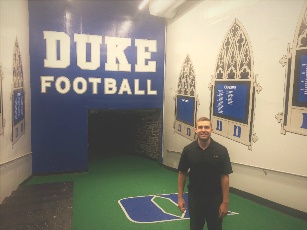
14 December 2018
Richard Luddington Experiences a World of Excellence at Duke University
Society Member Richard Luddington has recently returned from a whirlwind ten days spent with the Sports Medicine Team at Duke University, North Carolina, USA, after winning one of this year’s Bruce Hobbs Travelling Scholarships. This was the first time The Society of Sports Therapists has collaborated with Duke University and the trip, hosted and coordinated by Bob Bruzga and Michael Messer at the Sports Medicine Department at Duke, offered a wide variety of new and educational experiences for Richard.
Applications for the Scholarship, which involved each applicant creating a short video to explain why he or she wished to visit Duke University and why he or she would be suitable for the Scholarship, were open to all Society Members. Richard, who graduated in 2009 from London Metropolitan University with a BSc(Hons) in Sports Therapy and who is now Director & Senior Therapist at F.A.S.T Clinic in Cambridge, was awarded the Scholarship. He flew out to North Carolina, USA, in October for what proved to be an action packed, unforgettable experience at Duke University.
We caught up with Richard to find out more about his trip. Here are some of his thoughts on the experience:
What motivated you to apply for the Travelling Scholarship?
After looking into the Scholarship at Duke University, I realised it was an opportunity that I couldn’t let pass by. I currently split my time between managing and working in a clinic setting, supporting university teams and working with professional teams/individuals. The Scholarship seemed to encompass all of these roles on a much larger scale than my current setting.
I feel I am in a fortunate position to be able to adapt and sculpt our company in whichever way we see fit and to follow a practise that is constantly developing. I have been incredibly fortunate with experiences in my career so far and thought this would top trump them all.
How did you feel when you were offered it?
It definitely wasn’t something I thought I would win and so my initial reaction was one of surprise. Once I managed to finalise cover for commitments in the clinic for the time I would be away (a massive thank you to all the clinic staff and the teams for being so accommodating!), the excitement started to build. I firmly believe that it is always important for Sports Therapists to keep progressing and if they think they know everything, they will quickly fall behind. Therefore, since graduating 9 years ago, I have and will always look to constantly develop, both individually and as a clinic, and this was an opportunity like no other.
What was your first impression of the campus at Duke?
There is a huge Team Duke and the sports vibe around the campus was amazing! It was hard to know who was staff and who were fans as the majority of people were in Team Duke kit which was great to see. The facilities and overall support for the University teams were brilliant to see and I hope these factors gradually transfer over to the UK.
You were based at the Duke University Sports Medicine Clinic – tell us a little about it and the people you spent time with.
The Duke Sports Medicine facility is incredible. Within one facility they offer:
Clinical and surgical treatments
Injury prevention and sports performance
Paediatric sports medicine
Sports psychology
Sports cardiology
Women’s sports medicine
The Michael W. Krzyzewski Human Performance Laboratory (K-Lab)
It is a multidisciplinary facility with many internationally recognised practitioners. I mainly spent time with the Physical Therapists and Athletic Trainers during treatments and there was a real team atmosphere. I was also fortunate enough to spend time with two amazing surgeons, Dr William Garrett and Dr Annunziato Amendola, during their consultations. This was a fascinating experience and gave me an insight into their decision-making regarding operations. To have a facility where the Physical Therapists and Athletic Trainers can go and chat to the surgeons regarding the post operative plan and discuss patient progress is incredible, and helps to create the team atmosphere which makes the place so special.
I was privileged to present at an in-service meeting to the staff at Duke Health. I gave them an insight into the UK Health System and my career to date. This was a fantastic opportunity to highlight how things work in the UK and led to lots of positive questions throughout my remaining time in the Sports Medicine Clinic.
How were the 10 days planned out for you?
I am used to long working weeks (around 60+hour weeks) so when I was asked how intense I wanted the experience to be, there was no doubt that I wanted to cram in as much as I possibly could to maximise the 10 days. This meant starting most days at 7am and finishing around 9pm. I really felt I utilised the 10 days and having the opportunity to see such a variety of settings was incredible.
My time was mainly split between the Duke Sports Medicine clinic, the American Football Team and the Olympic Sports. I was pitch-side at a Duke Soccer match, High School American Football game and managed to watch a Duke Basketball match. I also had time with Mike Messer at Triangle United, a local academy Soccer side. I managed to observe seven surgeries with Dr Jonathan Riboh and Dr Garrett. It really was a packed 10 days and I am so grateful they were able to organise so much in such a short period of time.
As an experienced Sports Therapist, what parts of the trip had the most impact on you?
I was amazed how open and receptive everyone was to share ideas and knowledge. I believe it is important to create a network of staff that you can trust and surround yourself with, so that you can share ideas and continually progress. It was brilliant to meet so many like-minded people who were keen to discuss different approaches and I am hopeful of staying in touch with as many people as I can. It was pleasing that the treatment and rehabilitation given was similar to that of a Graduate Sports Therapist in the UK and this is credit to our profession.
The medical provisions and facilities for the Duke teams were unbelievable and certainly rivalled, if not bettered, top professional club set ups within the UK. For example, the football team alone had an incredible gym with 18 squat racks. The treatment room for the football team had around 15 treatment beds, three different hydro pools and its own area for imagery. The day after a match, all players came in to be assessed and the medical staff present included athletic trainers, physical therapists, consultants and surgeons (just for assessments in case a player needed them). They had both indoor and outdoor training pitches and everything you could imagine to help the team be successful.
Observing surgery was something I have not experienced before and I am incredibly grateful to Dr Garrett and Dr Riboh. To be able to observe the surgery and then see the patient the next day post-op in the Duke Sports Medicine clinic is something that was particularly enjoyable.
Basketball at Duke is one of the USA’s most successful Basketball Programmes, did you see any games or spend any time with the players in the clinic?
It was incredible to watch a Duke Basketball match next to the team’s Sports Medicine Staff and it is an experience I will not forget. They have some amazing athletes (possibly the top 3 picks for the NBA draft next year!). It was the best sporting atmosphere I have experienced and I have definitely become part of the Blue Devils and will be following their progress in future.
How was the social scene? Did you get to sample much of it?
I was fortunate to be offered accommodation with Chris and John, two of the medical team. Spending time with them outside of the work environment was a great way to discuss more and gain an understanding for their working schedule. The Duke Health team atmosphere continued outside of the clinic with a trivia night and trip to the Ciderworks with the Duke Health staff. I really cannot express enough how grateful I am for the welcome I received and how they made me feel part of the team.
Thinking back to your application and the outstanding video you created, do you have any advice for perspective candidates when putting a video application together?
The experience far exceeded my expectations, which were already high. I would genuinely recommend everyone to apply next year. As daunting as creating a video may appear, it is a fantastic opportunity to showcase yourself in a way that is sometimes hard to get across in writing. It is also an opportunity for the staff at Duke to learn more about you before you arrive and enables people to recognise you before you formally meet them.
I would like to take this opportunity to personally thank The Society of Sports Therapists for making this experience possible and to everyone at Duke Sports Medicine for going over and above in making me feel welcome. A special thanks to Chris and John for letting me stay with them and being so accommodating; to Juanita for helping to make it possible for me to visit Duke University; to Bob Bruzga and Mike Messer for organising everything to fill my time there and enable me to experience such a huge variety during my stay. A special thanks to Mike for being a star when I was there and giving up so much of his time; it was incredible spending so much time with not only an exceptional therapist but really nice guy.
Having had the opportunity in 2018 to work in Holland, Belgium, Portugal, Sweden, Spain and now visit the USA, I think this year will take some beating! Bring on 2019!
Professor Graham N. Smith said:
‘I was lucky enough to have the opportunity to spend time with Richard while he was at Duke University and saw first-hand how he had been welcomed and integrated into the Sports Medicine Team.
I felt immensely proud of what I saw and that The Society of Sports Therapist was able to give him this opportunity. For me, Richard epitomised the values that the Society strives to encourage and he was a great ambassador for his professional body.
I’d also specifically like to thank Bob Bruzga and Michael Messer for everything they did to make it happen and to all of the staff, especially Juanita, for making Richard so welcome. It is certainly a place that makes you feel empowered.’
Continue reading 
20 November 2018
Outstanding Canada Travelling Scholarship for Graduate Sports Therapist Danielle Turnbull
Leeds Beckett University Sports and Exercise Therapy Graduate, Danielle Turnbull, has arrived back on home soil after an action packed few weeks in Canada. Danielle was the 10th winner of The Society of Sports Therapists’ University of Windsor Travelling Scholarship. She was hosted by Athletic Therapist, Kathy Harvie, and her husband John during her time in Canada. This was also the 10th year that Kathy and John had received a Society of Sports Therapists Graduate into their home.
During the first part of her trip, Danielle, who has represented Great Britain Universities Women’s Ice Hockey team, was based at the Green Shield Sports Therapy Clinic at the University of Windsor, with Athletic Therapists Natalie Paladino, Dave Stoute and Adam Ellwood.
If you didn’t manage to read about the first part of Danielle’s trip, which included experiencing football camp Canadian style and life in the Clinic with the Athletic Therapy team, you can read about it here: https://bit.ly/2Dee9pf
Canadian life didn’t seem to slow down for Danielle during the latter part of her trip. We caught up with her again to find out how she got on in her final few weeks and to hear about all the people who inspired and motivated her along the way. Here are some more thoughts on the experience.
How was life after Football Training Camp?
After the open access of training camp had finished, the Clinic at the University became appointment only, so my days were normally spent treating athletes who wanted a last minute appointment or assisting with rehabilitation programmes, after patients had received treatment. Although the Clinic was always busy it was not as intense as training camp due to set time scales.
After training camp had finished, I spent half my time at the University and the other half at St Clair College Athletic Therapy Clinic with Kim Stroesser, who manages the Athletic Therapy there. There were lots of patients to treat at St Clair so I was always kept busy. I had visited St Clair during the first few weeks of my stay so I was excited to go back. Kim is a great therapist and I have learned lots from her experience.
Following on from football camp, how was the first home game for the Windsor Lancers football team?
Surprisingly for Canada, the first home game of the season was delayed due to a thunder storm so we were not able to get set up in advance. Dave Stoute, Athletic Therapist at the Clinic, brought in 50 Timbits (a bitesize version of the traditional Tim Horton ) for the Athletic Therapy Department so we enjoyed the Timbits while the storm passed.
Once the storm had passed we had to quickly set up the bed and carry all the equipment out to the field ready for the game. The atmosphere was exciting but there were also a lot of nerves due to the added suspense the storm had caused.
The Lancers ran out through an inflated tunnel to a remixed song which was very cool! The game was very exciting and attracted a large crowd.
After the game Kathy, John and I enjoyed a pizza from Sam’s Pizzeria, their favourite local restaurant – (they knew my order by the end of the trip).
Did you get to work with any other teams?
In my earlier report I mentioned getting to work with soccer (UK football) and I was pitch side for a women’s football game against the USA development team.
I also got to work with Kathy again and Strength and Conditioning Coach and Athletic Therapist Joey Garland. Joey is the former Head Athletic Therapist of the hugely successful Windsor Spitfires Ice Hockey team and is now Strength and Conditioning Coach for the Lancer women’s basketball programme. I was with both of them for the women’s basketball team fitness sessions. This enabled me to work some more with Kathy and identify potential injury risks, highlighting a new element to my role. It also gave me time to talk to Joey and he was really helpful as he gave me tips for the future and talked to me about business. Joey is currently setting up a gym, so I asked him about things to consider if I was to potentially set up my own business in the future. The biggest message I took from Joey was not to sell myself short and to work hard.
I got to visit and meet a number of other exceptional people who are excelling in their careers which was really inspiring and motivating.
Mary Brannagan is a highly respected Physiotherapist in Canada with an outstanding reputation. I really enjoyed working with Mary as, like Kathy, she has a biomechanical perspective and looks at the ‘big picture’ for the cause and treatment of injuries. It was fascinating and extremely beneficial to my development as a Sports Therapist to watch Mary work.
I also got to meet Deanna Iwanicka, the new Head Coach of the women’s ice hockey team. It was good to meet Deanna in order to find out her perspective on the importance of an Athletic Therapist (Sports Therapist) and her expectations for the upcoming seasons. As well as this, we talked a lot about hockey and the difference between hockey in the UK and Canada. After my meeting with Deanna, I got to attend a practice; I was very envious because I was dying to put my skates on and join in!
Finally, I visited Loaring Physiotherapy Clinic, a truly mulit-disciplinary Clinic where a high volume of patients are treated every day. It was great to meet Charlotte Loaring, Physiotherapist and owner of the Clinic, and the Team and observe their multi-disciplinary approach to treatments. The Team includes physiotherapists, kinesiologists and sports masseurs. The Clinic is open plan so practitioners work side by side, allowing staff to work together. I thought this was a really interesting format for running a clinic. This Clinic was not just for athletes; I also got to see patients from a multitude of backgrounds.
Did you get to go to any professional games?
I got to see the Windsor Spitfires hockey team in their first home game of the season. It was really exciting to see the how big ice hockey is in Canada. The arena was full and there was a band playing during breaks in play. That’s something that never happens in the UK.
Did you get to do any more sightseeing?
After my time in Windsor, I went sightseeing in Toronto and got to see the wonderful Niagara Falls! I would recommend to anyone going to Canada to see the Falls and take a trip on the Maid of the Mist!
What do you feel you have learnt from the experience?
The biggest thing I have learnt from my experience in Canada is to look at the big picture. Kathy told me that it was important to do something to make the patient feel better and then do one thing to help prevent the injury happening again. That message will be something I always think about going forward.
I also learnt to have confidence in myself as a Graduate Sports Therapist. I have received the best teaching from Leeds Beckett University which has prepared me to go out and practise. I have learnt to trust what I have been taught.
How has the experience benefitted you as a Sports Therapist?
The experience gave me a lot of confidence and I can’t thank The Society of Sports Therapists enough for giving me this incredible opportunity and the boost I needed for the future.
Have you got any plans for your career going forward?
I am currently in the process of job hunting! Fingers crossed.
Finally I have a long list of thankyous
I would like to thank firstly, Professor Graham Smith, Maggie McNerney and The Society of Sports Therapists for this once in a life time opportunity! This experience allowed me to put into practice my learning and gain a lot of confidence. It will be something I will never forget so thank you once more!
I would also like to thank Leeds Beckett University for preparing me for the future and giving me the knowledge and skills I needed to be a good Sports Therapist.
Thank you to Helen Llewellyn for motivating me and encouraging me to go outside my comfort zone to apply for the Travelling Scholarship. I owe Helen a large cup of tea for going the extra mile.
To Kathy for inspiring me every day and for encouraging me to be not only the best Sports Therapist but also the best person I can be. I would also like to thank both Kathy and John for letting me stay at their home, including me as part of their family and encouraging me to try new things! Although, sprouts are still not my favourite vegetable even though they were cooked wonderfully!
Thanks to Kim Stroesser for going above and beyond to make my experience enjoyable and for having confidence in me.
To Dave, Adam and Natalie, for including me as part of your team and giving me the opportunity to work in the GreenShield Clinic, and supplying me with Timbits.
Thank you to Mary Brannagan, Deanna Iwanicka, Joey Garland and Charlotte Loaring for taking the time to give me advice and making my experience.
Thanks to the Windsor Lancers for being so kind to me and really making me feel like part of the team.
To Jess, Michaela, Matt and Veronica for being great friends!
And finally, thank you to my wonderful family and friends from the UK, without whom I wouldn’t be who or where I am today.
Professor Graham Smith, Chairman of The Society of Sports Therapists said:
‘After visiting the University of Windsor following Danielle’s visit, I realise what a significant impression she made during her time there. As the tenth Graduate to be selected, it was always going to be a challenge because she would be compared to those Graduates who had gone before her. To say that Danielle impressed all of those colleagues she spent time with would be an understatement. I felt very proud of both Danielle and Leeds Becket University for producing such an outstanding ambassador for the Society to send.
I’s also like to thank everyone at Windsor for making Danielle’s trip so good and for all their support over the past 10 years. Kathy, John, Dave, Loriann, Charlotte, Joey, Kim, you have all been vital to the success of what we have been able to achieve with our collaborative links and The Society of Sports Therapists thanks you all.
For Kathy, John and Loriann you are fantastic friends and hosts.
Continue reading 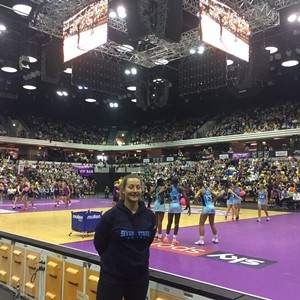
20 November 2018
Fast5 All Stars Provides Thrilling Day for Student Sarah Abbotts
Sarah Abbotts, a final year Undergraduate Sports Therapist at the University of Gloucestershire, was recently invited to travel with the Severn Stars Fast5 All Star Netball Team to offer her Sports Therapy skills at the British Fast5 All-Stars Tournament. Sarah joined the Severn Stars at the Copperbox Arena in the Queen Elizabeth Olympic Park, London, and was able to support Peter Thain, BSc Sports Therapy Course Leader at Birmingham City University, on the day.
Having discovered a love of netball during her twelve years living in New Zealand and year in Australia, Sarah is now a keen netball player herself and is a member of her local team in Cirencester, so she has a good understanding of the game and the nature of injuries that can occur.
Over the past three years, following an application and interview process, Sarah has been putting this knowledge and experience to good use with the Severn Stars. She has actually been with the squad since the beginning of their franchise, working with former international netball players and now current Severn Stars coaches, Mo’onia Gerrard and Pamela Cookey, in the first year and with Head Coach Sam Bird since then.
For the last two seasons, she has been volunteering with the team under the supervision of team Physiotherapist, Ani Cox. Sarah has observed and assisted Ani in performing pre-season screening and works with the players to try and minimise the risk of injury throughout the season, as well as assisting players when injuries arise. She also provides pre and post training/match massage for the players, and courtside first aid at training and matches.
Sarah has a passion for netball, so the atmosphere of being at live matches while also offering her skills to support at the British Fast5 All-Stars Tournament made this a very exciting day.
Sarah got in touch to tell us about her experience at the tournament and here’s what she had to say:
‘Fast5 netball is a very different game; it’s like the 20/20 of the cricket world, but with a LOT more pizazz! It reminded me of Baseball or Basketball in America, with big screens above the court filming the audience for dance cams and ‘floss’ (a popular dance move) cams. Players ran on to court through a tunnel, with pyrotechnic displays, loud music, lights and smoke. Throughout the matches loud music was played, battling against live commentators. Adding to the spectator entertainment was the change in netball rules: matches were just 12 minutes long with no breaks or end changes and a five-point line awarded for those brave enough to shoot from a distance. A big Golden Buzzer offered teams double points during two-minute Power Play and each team had only 5 players on court at a time (no wings), but compensated with rolling subs. All-in-all, it made for a very fast and loud spectator extravaganza.
Each team included 2 international ‘All Stars,’ shipped in for the event. Playing on the Severn Stars squad were: Ashleigh Brazill, an Australian Netball and AFL Women’s player, currently signed to the Collingwood Magpies in both disciplines, and Phumza Maweni the South African Netballer, who was signed to Severn Stars in the 2017/18 Vitality Netball Superleague, recently signing to Sunshine Coast Lightning for the 2019 Suncorp Super Netball season in Australia.
With all the teams having international ‘All Stars,’ the event was made very exciting for the spectators, with so many big names playing in one afternoon. The event was filmed and shown on Sky Sports Mix so it wasn’t only those with tickets who could enjoy the event.
For me, the event involved getting up at 5am to arrive at the meeting point at 7am, to travel in convoy to the venue (via the M25!). I had spent the week before preparing documentation for my Emergency Action Plan (EAP), with a shiny portfolio that I was proud to be able to present to the team Therapist, Peter Thain, who I was supporting for the day. On arrival we carried a lot of equipment, including two massage couches and “5-tonnes” of ice from the car park, through various buildings and arrived at the “world’s smallest” changing room. So, we set up shop in the corridor outside. The glamour of the event was saved for the cameras. Our players activated, warmed up and went through rituals and team talks in the corridor, while Pete and I did our best to provide any support required and also to stay out of the way.
Before it all kicked off, Pete and I introduced ourselves to the on-site Paramedics and worked through our responsibilities and roles during an emergency. It occurred to me, as the experienced Pete and Paramedics discussed details, that the key to providing the best assistance during an emergency is planning, preparation, practice and more planning.
When off court it was business as usual, but during game time, it was all lights, noise, action and on-court displays of athleticism. Pete and I did our best not to be distracted by it all, to continue to do our job and be ready for any medical event, big or small.
Severn Stars had a successful day out, losing only in the semi-finals and bringing home a prize win of £12,500 for the club, and more importantly with no injuries. It was a long and exhausting day, and I didn’t get back home to my family until nearly midnight, but it was a day like no other that I won’t forget in a hurry. I met and worked with the coaches, therapist, general manager and players of a Fast5 All Stars Netball team. I met and introduced myself to other players, coaches, medical support staff at the venue and developed contacts and experience.
It was an amazing day and a truly great opportunity to work with some Netball Greats, building relationships and experience for my future working in elite sport.’
Continue reading 
20 November 2018
York University, Toronto, provides Lasting Memories for Graduate Lewis Bulmer
Sports Therapy Graduate, Lewis Bulmer, has recently returned from a four week trip to York University, Toronto, Canada. Having graduated from York College, England, with a First Class Honours degree in Sports Therapy, Lewis fought off tough competition from fellow Graduates to win one of the two 2018 Society of Sports Therapists Student Travelling Scholarships awarded this year.
Dr Loriann Hynes, Assistant Professor in the School of Kinesiology & Health Science at York University, her husband, Chris, and their two daughters, Kenzie and Taylor, welcomed Lewis into their home for his stay in Canada. Lewis was based at the Sport Injury Clinic at York University, and he wrote to us half way through his trip to share his experience so far (if you didn’t manage to read it you will find it here: https://bit.ly/2ypy3J2).
Now that Lewis has arrived back in England, we caught up with him again to get some more insight into his trip and his thoughts on the experience as a whole.
Here’s what he had to say:
Firstly, I was amazed by the size of York University as a whole; with 55,000 students it really is massive. I suppose I really had no idea how big the universities are in Canada. Luckily the route to the Sport Injury Clinic where I spent most of my time was simple to follow. The facilities in the Clinic are great; everything you need to treat an athlete at any stage of their rehabilitation is there.
The main people I spent time with in the clinic were Clinic Manager Andrea, Clinic Supervisor Tracy, Head Athletic Therapist Britt and Research Co-ordinator Thomas, along with the Student Athletic Therapists. The 2nd and 3rd year students were working practically all the time and had to report to one of the supervisors every time they had a patient, mainly for feedback and questioning on treatments and rehab. This type of environment works really well for them, as it means they have constant interaction with student athletes and their injuries from day one, with even the 1st year students watching on.
What were the main types of injuries you had to deal with?
The most common injuries during my time there were ankle sprains, ranging from a simple sprain to full ligament tears. Alongside this, I came across knee and shoulder injuries too. I helped with the treatment and rehabilitation of these on a daily basis, each one being a new challenge every time.
I had the chance to meet one great individual called Kaleb*, who plays ice hockey. He is very well known in Canada and is an inspirational person too. I saw him a few times and worked on his ankle and shoulders; he is the most kind and polite person I have ever met.
Have you learnt any new skills from working with the Athletic Therapists? How was your taping when you arrived and how is it now?
In the UK I had not seen much passive stretching used as treatment or pre-match, so I have learnt more about stretching techniques from the Athletic Therapists in Canada. The use of electrical modalities was interesting to see too, as well as learning why they would use them with certain injuries. I have also learnt more mobilisation skills which will help me further in my work as a Sports Therapist.
My taping has also improved dramatically. I have learnt so many different techniques and have now finally tidied up my taping. I was involved in a seminar that was about taping and Ron O’Neil, former Athletic Trainer with the New England Patriots, delivered the session; his taping was amazing. I learnt a lot from him and have taken a lot of these techniques away with me.
The terminology used in Canada was very similar to what I was used to, however some of the assessment processes were different. I came across a lot of different special tests for assessing, for example the hip, and the clinic was a great learning experience for me.
Did you get to work with many teams?
The most popular sports at the University were Canadian Football (Grid Iron) and Ice Hockey; these two sports, especially ice hockey, are huge in Canada. I was mainly based at the Clinic during the day, while in the evening I joined the Football team at training for 2-3 hours per night. Then I spent the afternoons of the last two weeks with the Ice Hockey team. Clinic was usually before training and then I would travel over with the Athletic Therapists to set up and get ready for training. The days were long and busy but worth it for the experience and I enjoyed every minute of it. I spent a lot of my time alongside the Student Athletic Therapists who were placed with those teams each day; I got to know them and found myself integrating well.
Were there any adjustments you had to make culturally when you got to Canada?
In terms of cultural differences, I found Canadians driving on the right hand side of the road weird and tried to get used to that! Also having Thanksgiving was totally new, something which I have never experienced before, and ended up having it twice! I had it with both sides of the Hynes family so I got to meet most of the family during that time. They made me feel so welcome all the time, it was great.
I tried poutine (chips, gravy and cheese curds), which is really nice! I have to say the Hynes family cooked up some of the best meals I’ve had, such as boiled dinner and chicken wings, which I will miss. Plus Tim Hortons coffee and donuts are to die for, which is another thing I will miss, especially the TimBits (a bitesize version of traditional donuts). Then I got to try Ice Wine near Niagara. This wine is very sweet but tastes amazing; I’m not a wine drinker usually but the wine in Canada is great!
What was the highlight of your trip?
The main highlight has got to be having the chance to go to visit the Hamilton Tiger-Cats on a match day and meet the therapists, players and other staff as they worked. They were all so welcoming and made sure I was OK when helping out. I got to go pitch side too during the match which was the best experience I’ve ever had. After the game, I had the chance to look at ultrasound imaging of the players by the Sports Medicine Team which was interesting to see. Alongside this, I have to mention the National Ballet of Canada with Paul Papoutsakis (Company Athletic Therapist), who let me treat some of the dancers, along with watching some of their rehearsals and seeing what the dancers put their bodies through. This was incredible.
What was your biggest challenge during the experience?
The biggest challenge was to integrate myself within a new environment and country. Going to Canada was a massive challenge for me personally, to step out of my comfort zone and go for every opportunity placed in front of me. At first it was challenging to integrate with the students and with a new environment, but the students helped me feel welcome, especially in the team environments, making sure I was OK and asking me plenty of questions which was nice. It took me a few days to settle in but I overcame my fears and made sure I got the most out of the experience.
You were hosted by Dr Loriann Hynes and her family – how was Canadian family life?
Canadian family life was great. Loriann’s family were very welcoming and had me settled in straight away. They made sure I had everything I needed at all times. The family are very busy and active with soccer and ice hockey every week and I got to watch a couple of Kenzie and Taylor’s (Loriann’s two daughters) training sessions. It was great at the weekends to sometimes relax and watch sport on TV with Chris too.
Did you fit in any more sightseeing in the last part of your trip?
During my time off, I did get to go sightseeing. I went into Toronto for the day to see the aquarium and look around the shops and bars they had there. I even got the chance to go and watch the Toronto Blue Jays (Baseball), Toronto Argonauts (Canadian Football League) and Toronto FC (Soccer); the atmosphere at these games is so different to the UK.
Now that you’re back in the UK, have you started working again with the York City Knights?
Since coming back I have been very busy catching up where I left off. I have had meetings at the York City Knights (Rugby League) to begin the process of starting work there as a Sports Therapist in November. We are already implementing new ideas and processes to make the medical side of the club great, as well as starting to bring in students to experience a team environment. I am very excited for this opportunity and I have to thank the players and the staff at the club for giving me the opportunity to prove myself and represent The Society of Sports Therapists in Rugby League. I may be travelling back to Toronto again as a Sports Therapist for the match against the Toronto Wolfpack which will be interesting!
Do you have any advice for Third Year students thinking about applying for the opportunity next year?
To any Final Year students thinking about applying for this amazing opportunity: just do it! You have to go for it because it will improve your confidence as a Sports Therapist after completing an undergraduate degree. It is scary when you first graduate, not knowing what you want to do next maybe or what direction to take. This experience will help you look at different perspectives on Sports Therapy and sport in general, with the help of many professionals who have had experience in a clinic and team sport setting.
Thank you!
I would like to thank Andrea, Tracy, Britt and Thomas for their amazing support and help with my learning and integration into the Clinic, as well as my development as a Sports Therapist. The team there are amazing. Alongside the team, I have to thank the students for helping me settle in well at the Clinic, especially David, Brian and Kyle who are the three 3rd year Student Athletic Therapists I met during my time with Football and Ice Hockey. They helped me feel more welcome within the team environment and they are great Student Athletic Therapists, from whom I learned plenty. When I spent time in classes, the two lecturers at the University, Gus and Michael, helped me learn more about the theory and implementing this in practical use, so I would like to thank them too.
Finally I cannot thank Loriann, Chris, Kenzie and Taylor enough for having me in their home. They are an amazing family and have great personalities. They did everything they could to make me feel at home and wanted to help me as much as possible. I hope to keep in contact with them and wish them well in the future.
Also The Society of Sports Therapists has been great in this whole process – the opportunity is amazing and it helps promote the profession as a whole. Thank you to Professor Graham Smith and the Society for giving me this experience, which I will use both personally in my work and to help promote Sports Therapy in sport and beyond.
Professor Graham Smith, Chairman of The Society of Sports Therapists, said:
‘The Society of Sports Therapists is extremely proud of its links with York University in Toronto and the opportunities it has now given two of our Graduates over the last couple of years. As you can see from Lewis’ report, the opportunities offered and experience are priceless and I therefore would specifically like to thank the staff at the School of Kinesiology and Health Science Athletic Therapy Department for all of their hard work and support for this project. It was also great to hear how Lewis fitted in and impressed in such a quiet, unassuming and knowledgeable way.
I would particularly like to thank Dr Loriann Hynes for everything she has done to make both this opportunity happen and for her friendship, both personally and for the Society. It has been a privilege to be associated with such a great university.’
Editor’s Note
*Kaleb Dahlgren is indeed an extraordinary person who earlier this year escaped death but suffered life changing injuries whilst travelling with his then Humboldt Bronco team mates to an ice hockey game. Kaleb is indeed a remarkable person and we can fully understand why Lewis was so inspired by him.
globalnews.ca/news/4444463/humboldt-broncos-kaleb-dahlgren-york-university/
Continue reading 
20 November 2018
Solent Student Imogen Still Enjoys A Day to Remember with Football Legends
Imogen Still, a Third Year Sport and Exercise Therapy student at Solent University Southampton, spent a day in September volunteering her Sports Therapy skills at the Kanu Heart Foundation’s ‘Premier League Masters’ vs. ‘African Masters’ football match.
The charity match was organised by Arsenal and Nigeria football legend, Nwankwo Kanu, to support his charity, The Kanu Heart Foundation. The two teams consisted of retired football stars, including Kanu himself, Sol Campbell, Michael Essien, Kolo Toure and Robert Pires to name just a few, with former Arsenal Manager Arsene Wenger stepping in to manage Kanu’s Premier League Masters.
Imogen travelled to The Hive Stadium in Barnet to work with a star studded line-up. Having worked with Southampton based AFC Totton for the past two years under the guidance of experienced physiotherapist Dave Penny, Imogen is familiar with the behind-the-scenes running of medical teams in football. She has seen a range of injuries from blisters and dislocations to a skull fracture, which Imogen feels has made her more aware of the responsibility and importance of being a good Sports Therapist. While her experience with AFC Totton had prepared her to put what her course has taught her so far into practice, the atmosphere and excitement in the dressing room at this particular match meant Imogen’s experience that day was a unique one.
We caught up with Imogen and talked to her about the match and how it all came about.
How did you find out about the opportunity?
One of my Lecturers sent an email to my year group asking if anyone would be interested in a fantastic opportunity to provide some soft tissue therapy for a charity ‘legends’ football match at Barnet FC in aid of Kanu’s Heart Foundation. Reading this I was very keen to take part and responded accordingly. I was given the place available to take part in the day.
I have been able to take part in a few days, similar to this match, with the Southampton Legends charity team, and I have also assisted with walking football first aid. The Sport and Exercise Therapy course at Solent University Southampton offers a lot of external opportunities which is brilliant as are the Lecturers, who are always enthusiastic to help and answer any questions.
Can you paint a picture for us of the dressing rooms before the game?
The dressing rooms were very loud with players arriving at staggered intervals and obviously recognising faces that they had not seen for months or even years. There was a buzz in the changing room which you just thrived off and everyone involved was so happy to be taking part.
One of the players from the African Masters team jokingly warned me about how loud the dressing room would be and that definitely proved to be true! Every single one of the players greeted me and was a pleasure to work with them. I worked alongside two Physiotherapists, a Lecturer and a former Sports Scientist from Solent University Southampton, Chris Neville, providing pre-event massage and stretching.
What was match preparation like? What was your role?
We arrived at the stadium 2 hours before kick-off. I set up my couch in the shower area with all my equipment. The players began to arrive an hour and a half before kick-off. Having not met the players before I made a point of introducing myself and explaining that, in addition to my services, we had two experienced Physiotherapists with us. Therefore, if they needed anything medically, I asked them to let me know. Some players needed ankles strapped, so I referred them to the Physios as I carried out pre-match massages before the team warm up. My role prior to the match was essentially to provide optional massage treatments as and when required.
How were the players at half time?
There were a few players complaining of tightness and so I completed some soft tissue work and stretching. After the game the players were happy and I had no treatments to do.
What was your highlight of the day?
I have found it very hard choosing my highlight of the day as the whole experience was amazing and I learnt so much about the professional side of football. It was a great, educational day working with a range of renowned football players and getting a feel for the professional side of a sport I already work in.
I think the overall highlight for me was just working with two brilliant and knowledgeable therapists who gave me a whole range of advice and guidance and how to differentiate myself from the crowd.
What did you find most challenging during the day?
To be completely honest there was nothing in the day that was presented as a challenge to me. The whole experience was very educational and I was appreciative for the opportunity; I wanted to make the most of every minute so took it all in my stride and enjoyed the day.
What did you gain from the experience?
The experience gave me a valuable insight into working with professional football players with vast careers and the demands of the job in this environment. Although there were not many injuries to treat, I could see the demands of the job and was given some great advice about working within sports at a high level.
It was great that everybody was there, too, with the aim to raise money towards the $35M needed to build a new cardiac centre in Abuja, Nigeria, and to help support the Kanu Heart Foundation, which aims to help reduce travel and accommodation fees for sick children.
Being part of this day was amazing and certainly an experience I will never forget and will always be grateful for.
The final whistle blew that afternoon for a 9-4 victory for Kanu’s side over their rivals, the African Masters.
Continue reading 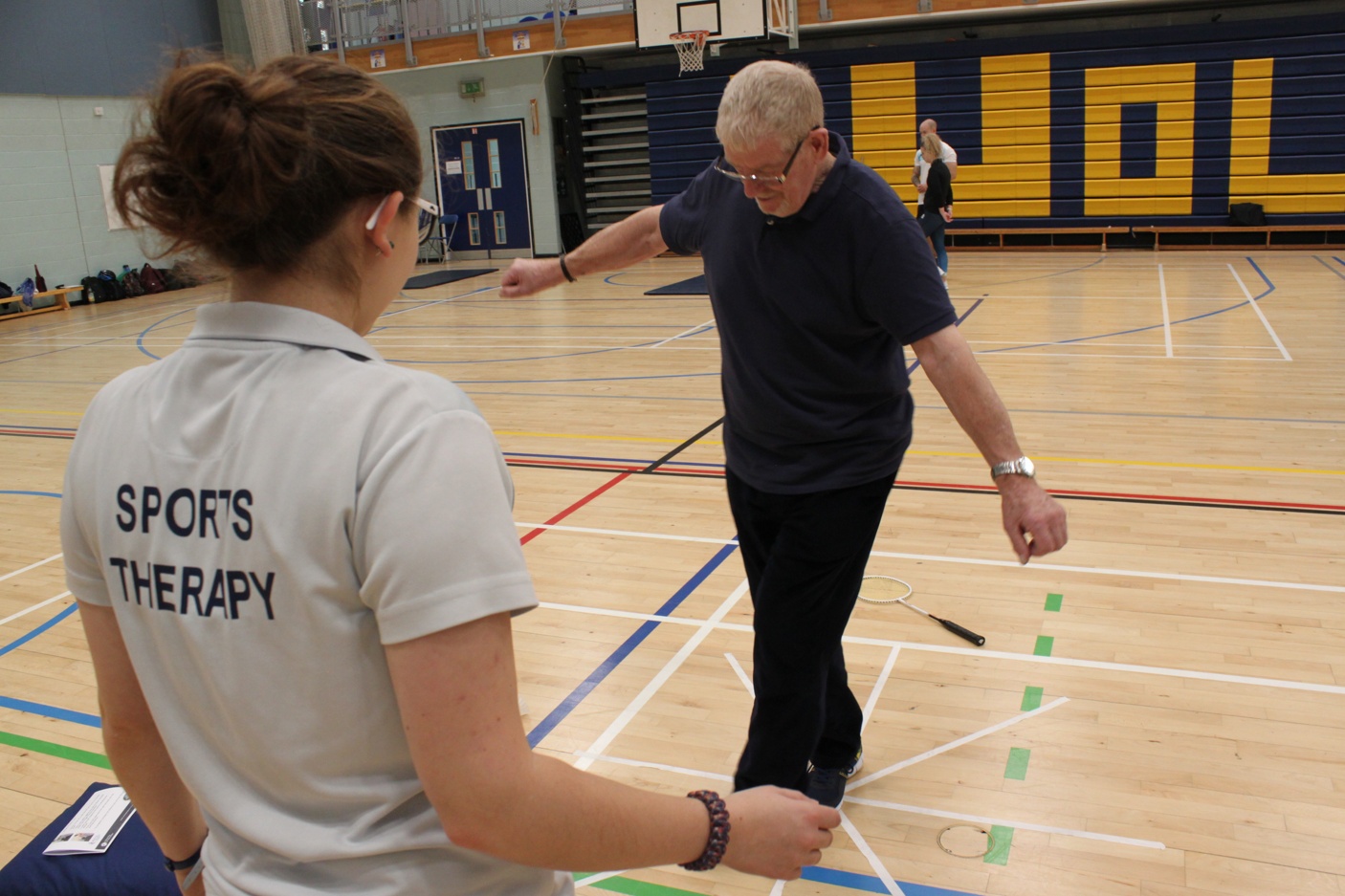
16 October 2018
University of Worcester Students Provide Practical Support for Active Ageing Week
Final year Sports Therapy students at the University of Worcester delivered an adapted activity session for older members of the local community during this year’s Active Ageing Week (24–28 September). To provide a week-long programme of lectures and workshops focussing on a multitude of aspects relating to active aging, the University partnered with the International Council on Active Ageing (ICAA), an organisation that works with adults over the age of 50 to promote health and wellness during the ageing process.
This is the first time the University and the ICAA have linked, after the Sport and Exercise Therapy department at Worcester became aware of the event through its cross institute, Ageing and Physical Activity research group. Nine Sports Therapy students volunteered to take part in the session, which was organised and overseen by the Sports Therapy Programme Leader and Senior Lecturer, Christopher Holland. The students provided a valuable service to local senior citizens, while also gaining valuable hands-on experience in the application of Exercise Therapy to an age group with whom they would not usually work.
Participants were invited to join a variety of activity sessions on the University’s campus throughout the week, including Meditation & Mindfulness, Balance & Coordination and Seniors Fitness Testing.
One student, Zachary Read, led a station teaching the participants how to progress from a wall press up to as close to a normal press up as they could get, in order to develop strength for fall protection. He said:
‘The initial assessments I carried out were to ensure the participants felt comfortable with slowly allowing their bodies to fall against the wall in a controlled fashion. Once they were comfortable with that, I showed them different hand placement techniques to target different areas and instructed them in ways they could include coordination into this exercise. Finally, I slowly progressed each individual to find out where their optimal work load level was to ensure everyone was feeling tested but still comfortable in the exercise.’
Those taking part in the session initially found many of the exercises easy to perform, but were open to being challenged as the movements progressed. Zachary continued:
‘One participant hadn’t tried to do a press up since their school days so coaching them and showing them that they could get there with just a few simple exercises and progressions was very special.’
Other activities were available to those who came to take part and Charlotte Cuervo-Ayala was involved in leading one of these. She said:
‘We worked with participants to teach them how to squat correctly. We assessed their ability to squat onto a chair and measured their angle of knee flexion. At first the participants thought squatting was a simple task. By coaching their ability to sit appropriately, we could reduce their risk of knee injuries and back problems.
At first the participants saw this as a simple exercise, however, with progressions it became apparent that most people were loading their weight onto their knees with extreme lumbar flexion. After correcting techniques, by introducing more of a posterior hip tilt and instructing participants to engage their gluteal muscles and quads, they began to have more control in the movements and this increased their stability effectively.’
The sessions proved to be an enjoyable and useful learning experience for all of the final year students who volunteered.
Zachary said: ‘I loved the experience! All of the participants were very keen to push themselves and try new things which made my job very easy.
The session taught me the importance of starting by making the exercises as basic as possible and adding very small, gradual progressions to ensure everyone can find their limit whilst staying comfortable and controlled within the exercise.’
Charlotte commented:
‘I learnt the significance of correcting habitual movements to prevent possible injuries. I also learnt the importance of adapting exercises to the participants’ individual ability, in order to, for example, improve their balance before introducing single leg squats onto a chair.
Overall, this was an educational and rewarding experience to exercise our knowledge by helping the participants develop more functional strength and awareness of their movements.’
Christopher Holland, who organised the session, was pleased with its outcome and is planning to have the University host the event again next year. He said:
‘The experience was highly regarded by all of the students and allowed them to put into practice their Sports Therapy skills in a more ‘exercise therapy’ based setting. The ability to adapt knowledge, think and adjust quickly is a key competency that a Graduate must have. The experience of working with older adults in a practical setting allowed students to develop these skills and show that they could plan and implement personalised prehabilitation sessions in a contemporaneous manner.
The University is planning to continue its work with the ICAA, for which the Sports Therapy course and School of Sports and Exercise Therapy is going to take a leading role. We are also planning to offer similar sessions throughout the year which will develop our service provision and continue to grow our reputation within the community.’
Continue reading 
16 October 2018
#WorldMentalHealthDay2018 – Mind Matters Count
Toward the end of last year, Society Chairman Professor Graham N. Smith wrote an article entitled ‘Mind Matters Count’ in his Chairman’s message. On #WorldMentalHealthDay2018 it seemed fitting to revisit this article and focus on the importance of mental health in the sporting arena.
Mind Matters Count
Over the past few months there have been two issues that seem to have dominated many of the sports pages and media outlets. The first has been about concussion and the second mental health issues in sport. Whilst both of these are separate concerns and have their own serious implications and consequences, they are also inherently linked together too. As such, it is imperative that, not only healthcare and sports medicine practitioners are aware of the symptoms of both, but also that coaches, parents and teachers are cognisant of how each may manifest itself too.
Imagine being a sports person who is admired, befriended by everyone and hero worshipped from an early age. Imagine how it must feel if this is suddenly taken away through injury? Similarly, the natural consequences of aging may also mean that your ‘shining star’ starts to wane and not be as sought after – how would that make you feel? How would you feel if someone asked you ‘Didn’t you used to be…?’ when in fact you know you are still the person to whom they refer? It is all of these factors, along with many more, that cause changes in personality and that sense of wellbeing that is so important to strong mental health.
We know from recent research that Concussion, either as a result of one major trauma or a series of repetitive collision injuries, can cause minor personality changes that initially might be difficult to perceive. Whilst repetitive minor head injuries are managed and the recognition of the consequences has improved significantly over the past few years, what are the long term effects? Do we actually relate these to some of the mental health issues and problems that may occur years after sports participation has either stopped or reduced?
It is so important that anyone involved in the treatment, management and coaching of sports participants understands that the minor personality changes that occur might ultimately have major consequences in the long term. Understanding these consequences, being able to recognise them and knowing how they should be managed is just as important as being able to treat an injured ankle or a knee. It is also why we in The Society of Sports Therapists recognise the importance of these issues and applaud those colleagues who are creating a greater awareness of them.
Professor Graham N. Smith
Chairman
The Society of Sports Therapists
Continue reading 
16 October 2018
A Letter from Canada – York University Providing a Great Experience for Lewis Bulmer
Lewis Bulmer is the 2018 winner of the Student Travelling Scholarship to York University, Canada. Lewis, who is a Graduate from York College in the UK, is spending time at the University’s Sport Injury Clinic in Toronto and he is being hosted by Dr Loriann Hynes and her family. Loriann is Assistant Professor in the School of Kinesiology & Health Science at the University.
Lewis has sent us a glimpse into what life has been like so far.
‘My stay in Canada got off to a brilliant start as the first day I was here I went to Niagara Falls with the Hynes family which was amazing! It was then straight into university life after the first weekend and on to the campus.
My first impression of York University was its size, it is huge and there are so many students here. It’s easy to get lost but I think I have been pretty good getting around.
I have been primarily based at The Sport Injury Clinic and my time has mainly been spent with the Varsity teams. The clinic is just the right size to accommodate the Varsity athletes, and is well kitted out with equipment such as exercise bikes, ultrasound machines and ice/hot baths for different modalities.
Head Athletic Therapist Britt, Clinic Supervisor, Tracy and Research Co-ordinator Thomas, also both Athletic Therapists, have been great. They have helped me integrate with the students and teams; learning from their experience has helped me as a therapist.
Thomas is involved in the University of North Carolina (UNC) and the Medical College of Wisconsin project looking at the role of active rehabilitation strategies in concussion management. I have been very fortunate to gain first-hand experience dealing with athletes going through their return to play protocols from concussion.
I have spent time with the American Football teams, helping with field work and taping before training. Then any injuries are assessed and treated in the clinic. 2nd and 3rd year students assess and treat under the supervision of the qualified Athletic Therapists in the clinic. The 1st year Students observe to get an idea of what it’s like. From day one they are exposed to both field and clinic environments, which is great. Most of the injuries are lower limb or ankle sprains. There are two ACL surgeries currently in process followed up by rehab.
Life has been pretty busy since arriving but I have had some great experiences. I visited the National Ballet of Canada. It was amazing to see how the dancers knew just how their bodies were at all times and also knew exactly what the issues were. I also spent time with the professional Canadian Football League team, the Hamilton Tiger Cats. Their facilities are amazing and the team there were so welcoming and fun to be around. It was great to be pitch-side with professional athletes.
While here I have been able to take in quite a few professional games including the Toronto Blue Jays Major League Baseball Team, the Toronto Argonauts Football Team and I’m hoping to get to see Toronto Football Club. Back at York University I have also managed to get to an ice Hockey match. I was able to watch it from the bench and what an experience. The intensity and physicality of the game is great to watch.
I am very grateful to all the staff who have made the experience so incredible so far and in particular to Loriann and her family. They have made me feel so welcome from day one and just wanted me to make myself at home. Plus, the food they cook is amazing; I may have to take some recipes home!’
Editor’s Note
Some of you may be aware that Lewis undertook a placement at York City Knights Rugby League Club. He hasn’t been able to watch any live Rugby League games whilst in Canada but he was able to watch on TV the Knights lift the 1st Division League Trophy, after winning promotion to the Championship. What Lewis didn’t know at the time of writing was that Toronto Wolfpack, the Toronto professional Rugby League team playing in the UK, narrowly missed out on promotion to the Super League. Lewis will therefore be able to see the Wolfpack play in England and the great news for Lewis is that he will be part of the Knights’ backroom staff, having being offered the Sports Therapist role at the club. He will hopefully be revisiting Toronto on the return leg.
Congratulations Lewis and we look forward to hearing from you again once you return to the UK.
Continue reading 
16 October 2018
PhD Partnership Between Birmingham City University and Kidderminster Harriers FC
Some of you may have seen a recent post on Twitter about an exciting opportunity for those of our Members thinking about progressing towards a PhD. Birmingham City University (BCU) is partnering with Kidderminster Harriers FC (KHFC), and has created a 36 month (3 year) fully-funded PhD Studentship starting in February 2019. KHFC is a professional football club currently competing in the National League North and who has a long-term ambition of returning to the Football League.
This PhD Studentship includes a tax-free stipend of £14,777 per year (paid monthly) and tuition fees of £4,260 per year and students may also apply for additional funding to support conference attendance and continual professional development opportunities. The research will investigate physical capabilities, training load and injury risk reduction strategies. The successful candidate will also engage in a work-based learning placement across their three years of study (with regular holiday allowances applied).
Ed Pratt, Chair of The Society of Sports Therapists Communications Group, recently spoke to Dr Peter Thain, Course Leader – BSc Sports Therapy at BCU, about this opportunity and why Sports Therapists should apply. Listen below:
Continue reading