
A Legacy of Excellence in Sports Therapy
The SST Fellowship represents the highest category of membership within The Society of Sports Therapists, recognising significant and sustained contributions to the profession.
The Fellowship Legacy Library celebrates the Fellows whose knowledge, expertise, dedication and achievements have helped shape and advance Sports Therapy. Through their careers as practitioners, academics, researchers, educators and leaders, they have each contributed to the development and recognition of our profession.
Explore the profiles below to discover their professional journeys, achievements and contributions, and to celebrate the lasting legacy of Fellowship within Sports Therapy.
Think you’re ready for Fellowship?
Read the guidance to check your eligibility, or apply for Fellowship and take the next step in your professional journey.

I am a Graduate Sports Therapist, internationally recognised Strength and Conditioning practitioner (mISCP, CSCS), researcher and academic leader whose work spans clinical practice, higher education, professional leadership and applied sport science.
As Fellow and Chair of the Board of Directors of the Society of Sports Therapists, I play a leading role in shaping the strategic direction of the profession. I also chair the Society’s Research and Scholarship Group, supporting the development of evidence-informed practice, practitioner scholarship and research capacity across Sports Therapy. Through these roles, I aim to contribute to the advancement of professional standards, interdisciplinary collaboration and the growth of Sports Therapy as a recognised healthcare profession.
My research focuses on musculoskeletal injury, rehabilitation, women’s health and practitioner development. My doctoral research investigated chronic ankle instability in female athletes and the effectiveness of rehabilitation interventions, contributing to the evidence base underpinning clinical decision-making and rehabilitation practice. I continue to publish in leading sport and exercise medicine journals, supervise doctoral researchers and present at national and international conferences.
I am co-founder and lead of the Women’s Injury and Science Hub (WISH), an inter-organisational research collaboration bringing together academics, clinicians and practitioners from multiple higher education institutions and professional backgrounds, both domestic and international. WISH is dedicated to advancing understanding of injury risk, prevention, rehabilitation and performance in female athletes, and is recognised as one of the first collaborative initiatives of its kind in the United Kingdom. Through this work, we support research, education and knowledge exchange that improves outcomes for female athletes across the performance pathway.
Alongside my academic and research activities, I have extensive experience working as both a Sports Therapist and Strength and Conditioning practitioner with athletes ranging from grassroots participation through to elite sport. My applied experience includes work within elite basketball and British Wheelchair Basketball, where I have supported athlete performance, injury management and long-term athletic development. My professional philosophy centres on translating research into meaningful clinical and performance practice, ensuring that athletes and practitioners benefit from the best available evidence.
I am a passionate advocate for equity, diversity, inclusion and belonging within sport, healthcare and higher education. I am particularly interested in improving understanding of neurodiversity and promoting environments where individual differences are recognised as strengths rather than barriers. Through leadership, scholarship, mentorship and professional service, I hope to continue to support the ongoing development of Sports Therapy, promoting excellence in practice while helping to shape the future direction of the profession nationally and internationally.
My work is centred on advancing Sports Therapy through research, education, professional leadership and collaboration. Through scholarly publications, the development of interdisciplinary initiatives such as the Women’s Injury and Science Hub (WISH), and service to the Society of Sports Therapists, I have sought to promote evidence-informed practice, support innovation in athlete health and rehabilitation, and contribute to the development of the profession. The legacy items below represent key contributions that have informed clinical practice, practitioner education, professional development and wider discussions across sport, exercise and healthcare.
Holland, C., Hughes, J. and De Ste Croix, M. (2026). Chronic ankle instability in females: effectiveness of home-based exercises following joint mobilisation. http://dx.doi.org/10.1007/s11332-026-01695-9
Impact: This study provides evidence for the effectiveness of combining joint mobilisation with home-based rehabilitation for females with chronic ankle instability, supporting clinicians in delivering accessible, evidence-informed interventions that can enhance outcomes and improve long-term ankle function.
Holland, C., Hughes, J., & De Ste Croix, M.B.A. (2020). Acute Effects of Increased Joint Mobilization Treatment Duration on Ankle Function. https://doi.org/10.1177/2325967120927371
Impact: This research demonstrated that treatment duration influences immediate changes in ankle function, helping practitioners make more informed decisions regarding the dosage and application of manual therapy interventions for ankle dysfunction.
Holland, C., Campbell-Karn, K., & Hutt, K. (2015). Increased treatment durations improve dorsiflexion ROM. Manual Therapy, 20(4), 598–602. https://doi.org/10.1016/j.math.2015.02.003
Impact: This work contributed to the understanding of how manual therapy dosage affects ankle dorsiflexion range of motion, providing clinicians with evidence to optimise treatment effectiveness and rehabilitation strategies.
Whiter, H., Holland, C and Cooper, D. (2026). The influence of female sex hormones on knee laxity, neuromuscular function, and performance: a systematic review. https://doi.org/10.1007/s11332-026-01824-4
Impact: This review synthesised current evidence concerning hormonal influences on injury risk and performance in female athletes, highlighting important considerations for athlete monitoring, injury prevention and the development of female-specific support strategies.
Holland, C., Wing, K., Charles, H., & Jones, A. (2025). Returning women to sport and exercise: overcoming challenges across life stages. https://doi.org/10.1136/bjsports-2025-110308
Impact: This article raised awareness of the physical, psychological and social barriers women may face when participating in sport and exercise across different life stages, advocating for more inclusive support systems and opportunities for lifelong participation.
Bevins, R. and Holland, C.J. (2025) Breaking the silence: addressing pelvic floor dysfunction in female athletes. https://doi.org/10.1136/bjsports-2025-110309
Impact: This publication contributed to increasing awareness of a commonly overlooked health issue in female athletes, encouraging open discussion, improved education and more effective clinical support for those experiencing pelvic floor dysfunction.
Cole, M., Owens, J., & Holland, C. (2024). Sports and exercise therapy for marginalised communities. https://doi.org/10.1136/bjsports-2024-108559
Impact: This article highlighted the role Sports and Exercise Therapists can play in addressing health inequalities and improving access to physical activity, rehabilitation and healthcare services for underserved populations.
Holland, C., & Cole, M. (2024). Bridging the research-to-practice time gap. https://doi.org/10.1136/bjsports-2024-108548
Impact: This work explored the challenges associated with implementing research evidence into professional practice and promoted strategies to reduce the gap between knowledge generation and real-world application.
Cole, M., Holland, C., & Cassius, T. (2023). Inequalities across the physical activity landscape. https://doi.org/10.1136/bjsports-2023-107196
Impact: This publication examined inequalities affecting participation in physical activity and sport, contributing to wider discussions around inclusivity, accessibility and social justice within health and physical activity sectors.
Holland, C., Cole, M., & Owens, J. (2024). Exercise and mental health: a vital connection. https://doi.org/10.1136/bjsports-2024-108562
Impact: This article reinforced the growing evidence demonstrating the positive relationship between physical activity and mental wellbeing, supporting the integration of exercise into health promotion and preventative healthcare initiatives.
Holland, C., & Godwin, M.S. (2020). The metabolic demand of external load carriage in golfers. https://doi.org/10.23736/s0022-4707.19.09668-3
Impact: This study improved understanding of the physiological demands associated with carrying golf equipment, providing valuable insights for athlete preparation, conditioning and performance management.
Holland, C. (2018). Physiology of Basketball Players and Teams. In The Science of Basketball. Routledge, pp. 33-50. https://doi.org/10.4324/9781315204000
Impact: This book chapter brought together contemporary scientific evidence relating to the physiological demands of basketball, supporting coaches, therapists and performance practitioners in the development of effective training and performance programmes.
Williams K., Holland C. (2026). The Society of Sports Therapists and the BBC Children in Need Thousand Mile Challenge. https://doi.org/10.1136/bjsports-2026-112055
Impact: This article showcased the contribution of Sports Therapists to a large-scale community challenge, highlighting the profession’s role in supporting participation, wellbeing and public engagement through physical activity.
Holland, C., Jones, A., Lindsey Bevins, R. and Charles, H. (2026). Age paradox: youth athletes in adult tournaments. https://doi.org/10.1136/bjsports-2026-112031
Impact: This publication explored the challenges associated with youth athletes competing in adult environments, stimulating discussion around athlete welfare, developmental appropriateness and long-term athlete development.
Weaver, K., Northeast, L., Cole, M., Holland, C., & Cassius, T. (2023). Sports and Exercise Therapists – working across the physical activity spectrum. https://doi.org/10.1136/bjsports-2023-107218
Impact: This article highlighted the breadth of Sports and Exercise Therapy practice across health, physical activity and performance settings, promoting greater understanding of the profession’s contribution to healthcare and active lifestyles.
Women’s Injury and Science Hub (WISH)
Impact: Co-founded and lead an inter-organisational collaboration dedicated to advancing research, education and knowledge exchange in female athlete health. WISH brings together researchers, clinicians and practitioners from multiple institutions and disciplines, supporting collaborative research into injury prevention, rehabilitation and performance in women and girls across sport.
Chair of the Board of Directors, Society of Sports Therapists
Impact: Providing strategic leadership for the Society and profession, supporting governance, professional standards, research development and interdisciplinary collaboration.
Chair, Research and Scholarship Group, Society of Sports Therapists
Impact: Established and lead initiatives that promote evidence-informed practice, research engagement and scholarship across the Sports Therapy profession, including support mechanisms for member-led research activity.
Legacy and Future Directions
Throughout my career I have sought to strengthen the connection between research, education and practice. Whether through rehabilitation research, female athlete health initiatives, practitioner development, leadership within higher education, or service to the Society of Sports Therapists, my aim has been to support the continued growth of Sports Therapy as an evidence-informed, inclusive and respected healthcare profession. I remain committed to developing future practitioners, advancing research, promoting equity and inclusion, and supporting innovation across sport, exercise and healthcare.

Keith is a founding member of The Society of Sports Therapists. He has been a Member of the Board of Directors (and formerly the Council of the Society), helping to oversee the development of the Society, since its inception in 1990.
Keith played a vital role in setting up the Society’s first collaborative links with a University in the UK in 1996. The University of North London (London Metropolitan University) became the first University to run the BSc (Hons) programme in collaboration with the Society. Since then, Keith has been instrumental in developing links with the Society’s family of universities and colleges in the UK and overseas.
Now leading on a variety of initiatives including international development, Keith continues to help drive the Society forward with skill and enthusiasm.
He is very experienced in many aspects of the sporting spectrum and has a unique insight into the needs of an athlete and the role of the Sports Therapist. Keith has over forty years of experience in professional sport as a player, coach, teacher, sports therapist and physiotherapist. He was a former Coach to Tottenham Hotspur FC and Assistant Manager to Portsmouth FC. He now owns a very successful sports injury clinic in Portsmouth.

Keith Ward is an experienced Sports and Exercise Therapist, holistic massage therapist, educator and author. A former university lecturer and author/editor of professional texts including the Routledge Handbook of Sports and Exercise Therapy, he combines evidence-informed practice with a holistic approach to health and wellbeing.
Keith’s current focus is on private practice; integrating clinical musculoskeletal assessment, rehabilitation, manual therapy, therapeutic exercise, and traditional holistic massage and relaxation therapy.
Keith has just published a vodcast series on YouTube entitled ‘Just One Career Path’ a personal story with professional reflections from childhood to current day. There are more vodcasts and project collaborations on their way.
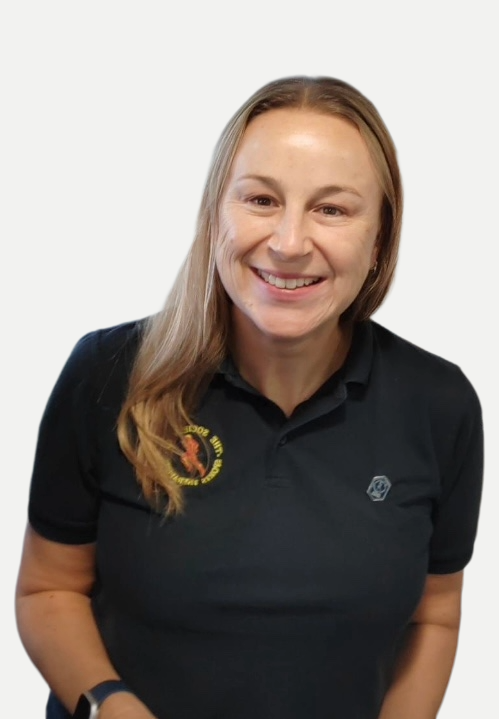
Dr Kate Williams is Head of Education at The Society of Sports Therapists, bringing more than 20 years’ experience as a Graduate Sports Therapist across professional and national-level sport, higher education and research.
Kate began her career in semi-professional and academy sport before moving into professional team sport, where she spent 10 years as Head of Rehabilitation. More recently, she has worked with national teams, supporting athletes at competitions and tournaments in the UK and internationally.
Throughout her career, Kate has developed extensive expertise across all areas of Sports Therapy, including injury prevention, clinical assessment, treatment, manual therapy, soft tissue techniques, electrotherapy, rehabilitation and sports trauma management. Her academic career also included supervising student research projects from undergraduate through to PhD level.
Kate’s research interests focus on the prevention of lumbo-pelvic-hip injuries, alongside the predisposing factors associated with prolonged sports-related concussion and the use of active rehabilitation in its management.
She completed a Professional Doctorate (DProf) at the University of Wales Trinity Saint David, exploring the efficacy of a lumbo-pelvic-hip injury reduction strategy in professional rugby union. She also holds an MSc in Sports Therapy, an MSc in Sport and Exercise Science, a BSc (Hons) in Sport and Exercise Science, and a Postgraduate Certificate in Teaching and Learning in Higher Education.
Kate has contributed extensively to research and academic literature within sports therapy, injury prevention, rehabilitation and sports science. Her work includes peer-reviewed journal articles, conference contributions and chapters in leading sports therapy and sports science texts.
As Head of Education at The Society of Sports Therapists, Kate now plays a key role in supporting and developing Sports Therapy education, working with accredited universities and helping to maintain and advance standards within the profession.
Research and Publications
2025
Isometric Belt Squat: Assessment of Maximum Lower-Body Strength in Rugby Union Players
Ashcroft, P., Williams, K. L., Evans, N., Raymond, W. & Williams, M. (2025). Conference contribution, peer-reviewed.
Lower limb muscle strength profiles and injury associations: a two-season prospective cohort study in men’s professional rugby union
Williams, K., van Dyk, N., Winkelman, N., Opar, D. & Williams, M. (2025). Journal of Science and Medicine in Sports.
2024
Case Studies in Sports and Exercise Therapy
Williams, K. L. & Cady, K. (2024). Chapter in Routledge Handbook of Sports and Exercise Therapy, 2nd ed., pp. 1127–1156.
Lower-Body Strength and Power Benchmarks for Professional Rugby Union Players
Ashcroft, P., Williams, K. L., Evans, N. & Williams, M. (2024). Conference contribution, peer-reviewed.
Measurement and Evaluation in Sports and Exercise Therapy
Williams, K. L. & Cady, K. (2024). Chapter in Routledge Handbook of Sports and Exercise Therapy, 2nd ed., pp. 616–647.
Pre-Season Physical Fitness Benchmarks for WRU Schools and Colleges Players
Ashcroft, P., Williams, K. L., Raymond, W., Evans, N. & Williams, M. (2024). Conference contribution, peer-reviewed.
2023
Identification of potential risk factors for lower limb injuries in female team-sport athletes: a prospective cohort study
Almousa, S., Williams, K. L., Mullen, R., Bourne, M. N. & Williams, M. (2023). Science and Medicine in Football.
Issues in Education, Professional Training and Development in the Sport and Exercise Sciences and Allied Disciplines
Cropley, B. & Williams, K. L. (2023). Chapter in Reflective Practice in the Sport and Exercise Sciences: Critical Perspectives, Pedagogy and Applied Case Studies, pp. 81–95.
2020
Pre-season hip/groin strength and HAGOS scores are associated with subsequent injury in professional male soccer players
Bourne, M. N., Williams, M., Jackson, J., Williams, K. L., Timmins, R. G. & Pizzari, T. (2020). Journal of Orthopaedic and Sports Physical Therapy, 50(5), pp. 234–242.
2018
Reduced severity of lumbo-pelvic-hip injuries in professional Rugby Union players following tailored preventative programmes
Williams, K. L., Hughes, J. & Williams, M. (2018). Journal of Science and Medicine in Sports, 21(3), pp. 274–279.
2017
Association between hand-held dynamometry measures of hamstring strength and force obtained from the Nordic hamstring exercise
Williams, K. L. & Williams, M. (2017). British Journal of Sports Medicine, 51, p. 316.
Nordic hamstring exercise strength changes over a season in academy footballers
Huggins, S., Davies, N., Williams, K. L. & Williams, M. (2017). British Journal of Sports Medicine, 51, p. 331.
The effect of Nordic hamstring exercise on hamstring injury in professional rugby union
Williams, K. L. & Williams, M. (2017). British Journal of Sports Medicine, 51, pp. 315–316.
2015
Clinical Assessment in Sports Therapy
Ward, K., Grice, M., Di Leva, R., Williams, K. L., Baker, J. & Hawkey, A. (2015). Chapter in Routledge Handbook of Sports Therapy, Injury Assessment and Rehabilitation, pp. 41–131.
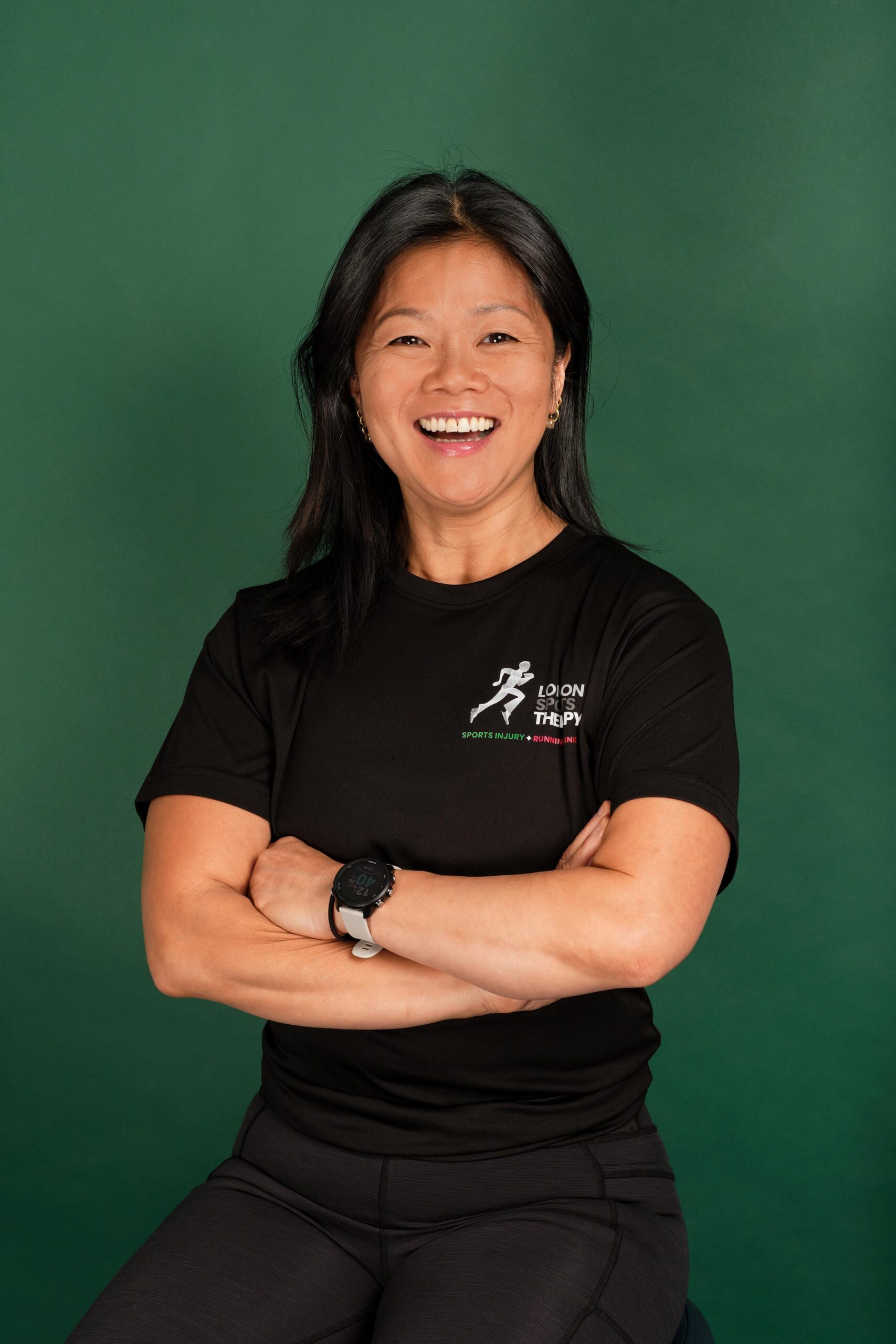
After working with professional athletes and sportspeople, Josie founded London Sports Therapy in 1999 to bring her expertise to a broad client base across West and Central London.
With a BSc (Hons) degree in Sports Therapy, she has trained in the Integrated Systems Model, Thoracic Ring Approach™, and ConnectTherapy™, and continues to build on her knowledge and skills through further professional development and qualifications. She is also a certified running coach, having trained under the tutelage of one of the world’s preeminent running specialists.
Today, London Sports Therapy is a team of three experienced therapists, working closely to provide specialist treatment and rehabilitation for a wide range of athletes. The clinic has developed particular expertise in working with Olympic weightlifters, powerlifters and CrossFit athletes, understanding the unique physical demands and training requirements of these sports.
The clinic also sponsors two high-level Olympic weightlifters, supporting them throughout their training and competitive careers. One of our sponsored athletes recently competed at the 2026 Commonwealth Games. We also work closely with a leading weightlifting coach, creating a strong network of expertise around our athletes and helping them manage injuries, optimise movement and return to training safely and effectively.
Josie also acts as a consultant and has helped to instruct and mentor other therapists, as well as establish new clinics.
Josie was a keen CrossFitter and runner for over five years and has now transitioned to Olympic weightlifting and calisthenics. She was the British Masters Champion in 2024 in her age and weight class in Olympic weightlifting and a silver medallist in 2025. Her own experience as an athlete gives her a valuable insight into the demands, pressures and goals of competitive training.
Josie has regularly contributed to articles published by ASICS and is now developing mentoring courses for Sports Therapists, with a particular focus on improving clinical reasoning skills. She has also recently launched a newsletter sharing clinical insights, practical tips and experiences to help sports therapists develop their assessment, treatment and clinical reasoning skills. You can find out more using the links below:
London Sports Therapy. The Newsletter. LInkedin Profile
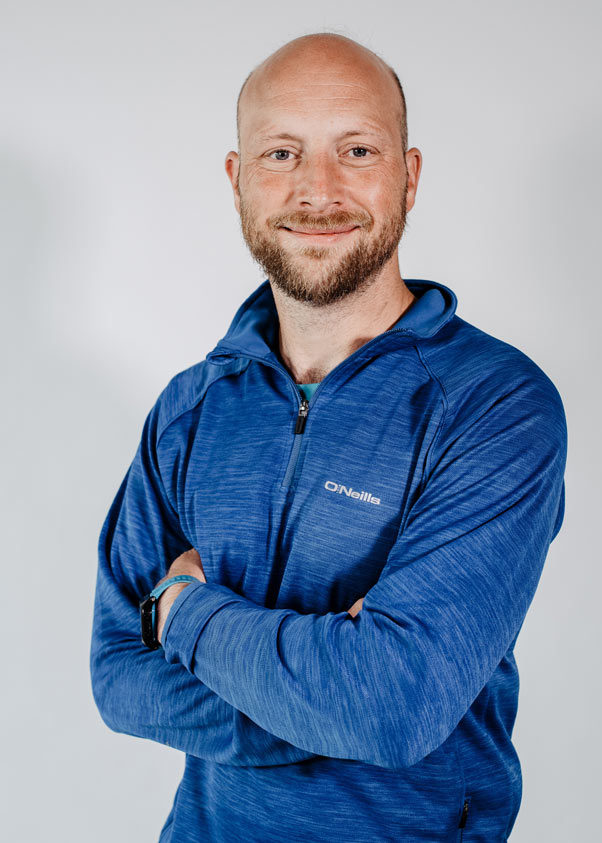
Dr Dale Forsdyke is a sport and exercise injury educator, researcher and practitioner. He has taught on sport and exercise therapy programmes for over 20 years in HE and FE settings and has operated as a medical tutor for the FA. He has a developing research portfolio focussing on the psychology of injury (risk and return to sport) and more recently on the impact of biological maturation on injury risk and performance. He has edited and contributed to several text books and had also had the opportunity disseminate his research at professional body and major international conferences. Through this he has had the opportunity to collaborate with many world-class researchers and practitioners. Additionally, Dale has experience of working as a Sports Therapist across different sport populations and events. As a MSST he has practised in lead medical roles, mostly in elite girl’s and women’s football, and has worked across the FA female football development pathway.
Forsdyke D., Gledhill A., Schneider P., Weir A., Mitchell A. Towards a holistic management of injured soccer players: a psychosocial return to performance pathway Aspetar Sports Medicine Journal 2025 https://journal.aspetar.com/en/archive/volume-14-targeted-topic-the-athletic-shoulder/postcard-from-leipzig
Gledhill A., Emmonds S., Forsdyke D., Larsen C., Bercial S., Mitchell T., Salter J. The CASES expert statement on creating effective holistic talent development environment in football The Sport and Exercise Scientist 2025 https://www.cases.org.uk/imgs/cases_tses_expert_statement_autumn_2025632.pdf
UEFA Medical podcast (2025) Psychology and sports injury https://podcasts.apple.com/gb/podcast/psychology-and-sports-injury-with-dale-forsdyke/id1733627406?i=1000683751897
BJSM podcast (2021) Maximise your patients rehab adherence https://soundcloud.com/bmjpodcasts/maximise-your-patients-rehab-adherence-with-adam-gledhill-dale-forsdyke-and-tom-goom-ep-467?utm_source=clipboard&utm_medium=text&utm_campaign=social_sharing
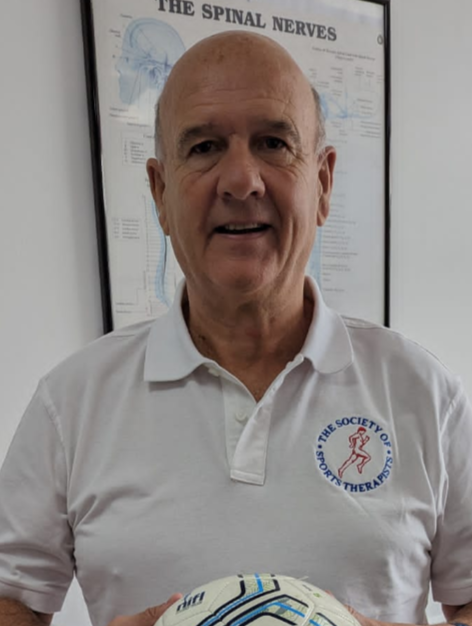
Gordon began his career with the Royal Ulster Constabulary in 1977, retiring in 2006 after almost 30 years of service. His interest in sports therapy was sparked following an ACL injury and reconstruction in the late 1980s, which led him to pursue a new career in the field.
In 2001, Gordon joined The Society of Sports Therapists and undertook the Society’s Diploma in Sports Therapy through distance learning, successfully completing the qualification in 2005. Alongside his studies, he gained valuable practical experience working with a sports therapist at Linfield FC, one of Northern Ireland’s leading football clubs.
He went on to study Applied Sports Therapy at Teesside University, graduating with Honours in 2013. In 2014, Gordon was awarded the Bruce Hobbs Travelling Scholarship, providing the opportunity to visit the Fowler Kennedy Clinic at the University of Western Ontario in Canada. During his time there, he gained valuable insight into knee-related surgery through experience in both theatre and clinical settings.
Gordon’s career in football saw him take on the role of Senior Sports Therapist at Ballymena United FC, where he also worked with the Northern Ireland Under-23 squad. He was subsequently selected as Senior Sports Therapist for a testimonial match between an Irish League Select XI and Manchester United, held in honour of former Manchester United and Northern Ireland goalkeeper Harry Gregg.
In 2016, Gordon stepped away from professional football to focus on his own practice, The Hollies Sports Injury Clinic in Galgorm, Ballymena, where he continues to work.
With a career spanning several decades, Gordon has developed extensive experience across sports therapy, football, injury rehabilitation and knee-related conditions. His continued commitment to professional development and the sports therapy profession was recognised with his Fellowship of The Society of Sports Therapists in June 2026.
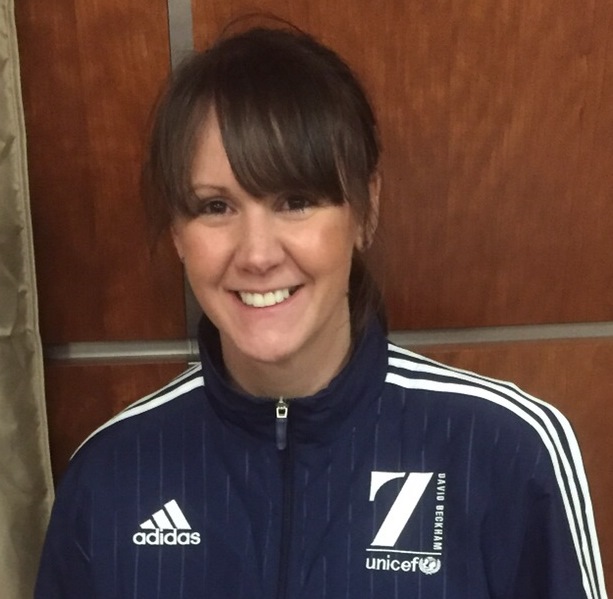
Kate is a Sports Therapist, educator, researcher and Fellow of The Society of Sports Therapists, with extensive experience across clinical practice, elite sport and higher education.
Kate has worked in Sports Therapy for more than 25 years, with her career providing opportunities to work across a range of professional and international sporting environments. She has worked within professional football and has extensive experience within ice hockey, working with athletes at both national and international level. This has included working with England and Great Britain ice hockey, as well as holding the position of Head of Sports Medicine for the English Ice Hockey Association.
Alongside her clinical and sporting experience, Kate has developed a long-standing career in higher education and has worked at London Metropolitan University, The University of Gloucestershire, and is currently a senior lecturer in Sports Therapy at the University of Hertfordshire. Her work in education has enabled her to combine her experiences from clinical practice and elite sport with the education and development of future Sports Therapists.
Kate also has an established research profile, with research interests focusing particularly on musculoskeletal assessment, athlete screening and lower-limb function. She completed her PhD following research within this area and has presented and published research nationally and internationally. Her research experience continues to inform both her teaching and her contribution to the wider Sports Therapy profession.
Throughout her career, Kate has maintained a strong connection between clinical practice, professional sport, education and research. She has also contributed to the development of the Sports Therapy profession through her involvement with The Society of Sports Therapists, supporting education, professional development and the advancement of Sports Therapy practice.