
22 July 2026
The Society of Sports Therapists Continues Partnership with Therapy Show 2026
The Society of Sports Therapists is delighted to continue its partnership with Therapy Show 2026, taking place on 25–26 November 2026 at the NEC Birmingham.
As one of the UK’s leading events for therapy professionals, Therapy Show brings together clinicians from across the sector for two days of evidence-informed education, practical learning and professional networking.
This year’s programme has been redesigned around the skills clinicians use every day, with sessions covering clinical reasoning, assessment and differential diagnosis, musculoskeletal practice, rehabilitation, movement and performance. Delegates will also have the opportunity to experience hands-on learning in the Applied Practice Arena, attend business and leadership sessions, explore content focused on women’s health and specialist populations, and discover the latest products, services and innovations from leading exhibitors.
As part of this year’s collaboration, The Society of Sports Therapists is proud to sponsor the Therapy Show Networking Lounge – a dedicated space where delegates can take a break between sessions, reconnect with colleagues, meet new contacts and continue conversations throughout the event.
Exclusive Member Discount
Members of The Society of Sports Therapists are entitled to an exclusive 15% discount on the best available ticket price. To access the promotional code and booking information, please visit the SSTExtra area within the Members’ Area of the website.
The Society looks forward to supporting another successful Therapy Show and welcoming members and the wider therapy community to the NEC Birmingham this November.
Event Details
📍 NEC Birmingham
📅 25–26 November 2026
For further information about Therapy Show 2026 and to book your place, please visit the official Therapy Show website.
Continue reading 
24 June 2026
Beyond the Players: Why Match Officials Matter ⚽
A conversation with graduate Sports Therapist, referee and researcher Hannah Gardner
Now that the 2026 FIFA World Cup is underway, much of the conversation will centre around the players, tactics and tournament favourites. Yet, behind every major competition the match officials are another group of elite performers who’s contribution often goes unnoticed.
We spoke to Hannah Gardner, a graduate Sports Therapist, practising Sports Therapist and elite football referee. Her journey demonstrates the breadth of opportunities available to Sports Therapy graduates and the value of combining research with applied practice.
The career journey
Could you take us through your career journey and some of the key experiences that have shaped who you are today?
” Sports Therapy seemed like an opportunity to understand injuries and how to support athletes returning to performance. I almost fell into it, and the doors it has opened have been incredible. I wouldn’t change it.”
What were the most valuable lessons you took from your Sports Therapy degree?
“One of the biggest things I learnt was to consider the holistic picture. Every athlete and patient has their own story. As sports therapists, we’re one small part of a much bigger puzzle.”
From student to researcher
After completing her undergraduate degree at Edge Hill University, Hannah progressed directly into a Master of Research (MRes), continuing to explore her growing interest in match officials.
” I was very fortunate to continue working with Timothy Horn throughout my BSc and MRes, he was absolutely fantastic across the whole journey. With the addition of Professor Matt Greig to my team for my masters, the support from both Tim and Matt really helped to shape the direction of my research”
The forgotten athletes
Your MRes focused on elite match officials. What inspired that area of research?
“My undergraduate dissertation touched on match officials, and the MRes gave me the opportunity to explore it further as we looked at the athletic profiling of elite match officials. It’s an area that simply doesn’t receive the same level of attention as player research.”
What did your research reveal?
“It’s not a one-size-fits-all approach. What works for players cannot automatically be applied to referees. Match officials have different needs, different demands, and require support that is specific to them.”
“Referees get injured too. We need to think about their preparation, recovery and injury prevention in the same way we would for other participants in sport.”
Combining research and practice
You’ve balanced research with clinical work. Why is that important to you?
“I still love being hands-on. Working face-to-face with athletes, supporting them through rehabilitation and return to performance, is something I never want to lose.”
“For me, research strengthens applied practice. We can produce excellent research academically, but if it isn’t useful in the real world, then we have to ask ourselves what purpose it serves.”
Advice for the next generation
“Don’t be afraid to try things. If it doesn’t work out, you’ve still learnt something valuable.”
If you could offer one piece of advice to your first-year self?
“Be a sponge. Take on as much knowledge, advice and experience as you can.”
More than one career path
What are you most proud of in your career so far?
“Supporting my first athlete all the way from injury to return to performance as a qualified Sports Therapist was a huge moment.”
“Academically, successfully defending my master’s thesis was something I’m incredibly proud of.”
Looking to the future
Hannah is currently undertaking a PhD through a collaboration between Manchester Metropolitan University and Professional Game Match Officials (PGMO).
As the football world celebrates the stars of the FIFA World Cup 2026, Hannah’s story reminds us that elite performance extends far beyond the players on the pitch and Sports Therapists have an important role to play in supporting every member of the team behind the team.
For those considering what comes next, keep an eye out on part 2 which focusses on Hannah’s PhD research. For now, her advice is simple: be curious, embrace opportunity and, above all, be a sponge. You never know where your Sports Therapy degree might take you.
Members can sign in to access our World Cup Resource Hub for more.
Continue reading 
12 June 2026
The Society of Sports Therapists sign a new partnership agreement with CASES
The Society of Sports Therapists (The SST) and The Chartered Association of Sport and Exercise Sciences (CASES) are pleased to announce a new strategic partnership and signed Memorandum of Understanding (MoU).
CASES is the professional body for sport and exercise sciences in the UK and The SST is the largest lead organisation for Sports Therapists in the UK. The SST ensures that all graduate Sports Therapists are competent and capable of providing safe practice to their patients and clients. Their overarching aim is to raise the profile, status and standards of Sports Therapists and the profession.
The Partnership Agreement outlines the agreed collaborative relationship between both organisations for the purposes of enhancing the activities of each business and fostering co-operation for the benefit of all professionals involved within the respective organisations.
Both partners agree to actively collaborate on areas of mutual benefit, promote aims and encourage cross-collaboration from their respective communities of interest. This includes joint articles and editions of publications, dissemination of research findings and promotion of other relevant content, conferences and events, joint webinars and events, with CASES and SST members accessing at reciprocal member costs, where applicable.
Commenting on the new partnership, Ian Wilson, CASES CEO, said, “CASES is delighted to partner with The Society of Sports Therapy, and we hope this partnership will increase the CPD and collaborative opportunities for both organisations’ members.”
Simon Bowen, SST CEO said “Our new partnership with CASES brings together two leading organisations committed to advancing standards across sport and exercise practice. This agreement reflects our shared ambition to foster collaboration, support professional development, and create greater opportunities for our collective members. By working together, we can strengthen links between disciplines, promote research and innovation, and ultimately enhance the quality of care provided to all.”
Please click here to view the full MoU with CASES.
Continue reading 
10 June 2026
⚽ World Cup 2026: Preparing for Heat, Performance and Player Welfare
With the FIFA World Cup 2026 taking place across the USA, Canada and Mexico, extreme heat is expected to be one of the key challenges facing athletes, medical teams and support staff.
Several host cities regularly experience temperatures above 32°C, placing increased emphasis on hydration, recovery, environmental monitoring and the recognition of exertional heat illness. While these challenges will be visible on football’s biggest stage, exercising and competing safely in the heat is relevant to sports therapists working across all levels of sport.
To support both the wider sporting community and our members, The Society of Sports Therapists has developed a range of resources focused on heat illness awareness, emergency planning and match day preparation.
⚽ Our public article, “When Temperatures Rise: How Sports Therapists Keep Athletes Safe and Performing”, explores how Sports Therapists help athletes prepare for, adapt to and perform safely in hot conditions. The article highlights the role of heat acclimatisation, hydration planning, recovery strategies and the recognition of heat-related illness.
⚽ For SST members, we have also launched the World Cup 2026 Resource Hub. The hub includes practical tools and educational resources covering:
Exertional Heat Illness guidance
Heat Illness Infographics
Match Day and Clinic Readiness Checklists
Medical Emergency Action Plan (MEAP) templates
Knowledge-check questionnaires and answer sheets
Emergency planning resources for clinical and event environments
Whether you are supporting athletes in grassroots sport, private practice, event settings or professional football, these resources have been designed to help practitioners prepare, plan and respond with confidence.
Read the public article and learn more here.
Continue reading 
16 April 2026
Celebrating Community Impact at BNU
Buckinghamshire New University (BNU) and Marlow‑based Horizon Rehabilitation Ltd were proudly co‑nominated — and went on to win — a Heart of Bucks Award in December 2025. Their joint project earned the Best Community Collaboration Award for the post‑race support delivered by BNU Sports Therapy students, supervised by Horizon Rehabilitation staff, at the Marlow Half Marathon on 2 November 2025.
During a recent lecturing visit, Karen Blagojevic, clinic owner and director of Horizon Rehabilitation Ltd, personally presented the award to BNU and thanked students for their outstanding contribution. Donations raised from the event are helping to fund community classes for people living with dementia, supporting movement, confidence, and overall wellbeing.
The BNU Sports Therapy team shared their pride in the collaboration, saying they were delighted to receive the award alongside Horizon Rehabilitation Ltd and grateful for the continued opportunities offered to their students at local community events.
Continue reading 
24 March 2026
Free CPD Workshop: Enhancing Rehabilitation and Performance in the Southwest
Practitioners and students are invited to attend a free CPD workshop taking place on April 22, 2026 (4:00–8:00 PM) at the Marjon Health & Wellbeing Hub, Plymouth Marjon University.
Delivered in collaboration with VALD, the event will feature expert speakers including Adam Rutter, Alex Kay, and Sarah Catlow, covering topics such as tendinopathy management, performance in elite sport, and the role of diagnosis in sports therapy.
This is a great opportunity to gain insights, network with peers, and explore the latest developments in rehabilitation and performance.
Register now to secure your place
Continue reading 
2 March 2026
We’re Hiring!
We’re excited to announce a new opportunity at The Society of Sports Therapists.
We’re recruiting a Content Development Lead — a Graduate Sports Therapist with a passion for research, writing, and advancing professional standards.
This pivotal role will lead the development of high-quality, evidence-based resources that support our members and help shape the future of Sports Therapy.
📍 Remote and flexible📅 Closing date: Friday 17 March 2026
Find out more and how to apply via our Job Board here.
Continue reading 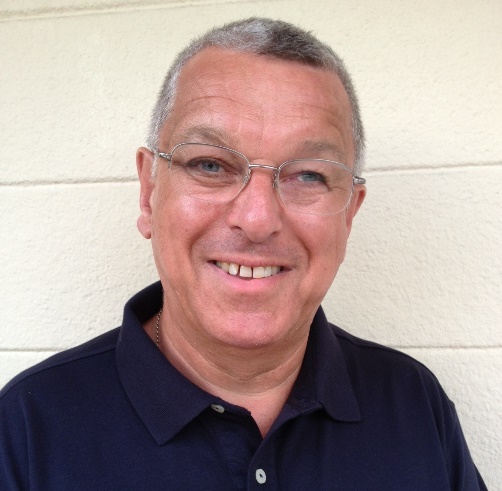
24 February 2026
In Memory of Professor Graham N. Smith
The Society of Sports Therapists is deeply saddened to announce the passing of our founder, Professor Graham N. Smith.
For more than four decades, Graham was a driving force in sports rehabilitation, championing education, professional standards, and the recognition of sports therapists as skilled healthcare practitioners. From his work in elite and Olympic sport to leading The Society for over 30 years, his vision helped shape the profession we are proud to represent today.
His legacy lives on in every graduate sports therapist and in the standards he fought tirelessly to uphold.
Read the full obituary here.
We invite friends, Members and colleagues to leave a comment below to share their memories, condolences, and well wishes to Graham’s family at this difficult time.
Continue reading 29 January 2026
Diagnosis: Duty and Defensibility Statement
A core responsibility of any healthcare profession is the ability to assess and manage patients safely, ethically, and within defined professional boundaries. In fulfilling this responsibility, Graduate Sports Therapists must apply sound clinical reasoning to inform assessment, decision-making, and ongoing care.
The Society of Sports Therapists have created an approach to diagnosis within sports therapy, including the concept of a clinically reasoned diagnosis hypothesis. It clarifies the legal and professional framework within which Graduate Sports Therapists practise and outlines the expectations placed upon members in relation to assessment, consent, documentation, and referral.
You can read the full position statement here.
SST Members are encouraged to login to the membership area to access additional resources.
Continue reading 
24 December 2025
Day 24: Santa’s Christmas Eve: A Calorie-Burning, Injury-Prone Marathon
You must be logged in to view this content.
Continue reading